ADA Website Compliance Built Into the Code
ADA website compliance means making a site usable by people with disabilities, following the Web Content Accessibility Guidelines that courts and regulators reference. It covers keyboard navigation, screen reader support, color contrast, forms, captions and structure. It is for any business that serves the public online. Brand Overture builds and remediates sites to WCAG 2.2 AA practices from Phoenix.
A site that excludes people is a risk you cannot see
If a person using a screen reader cannot get through your checkout, or a keyboard user cannot open your menu, or your gray-on-white text fails contrast, you are turning away customers and inviting demand letters. ADA website lawsuits are filed against businesses of every size, and the overlay widgets sold as a quick fix have not stopped them.
Most owners find out when the letter arrives. The site was never tested with the tools people with disabilities actually use.
How we build for ADA website compliance
We work to the Web Content Accessibility Guidelines, version 2.2, level AA. That is the standard the Department of Justice and most courts point to.
On a new build, accessibility is in the templates from the start: semantic headings, labeled forms, visible focus states, keyboard-reachable menus, alt text workflows, contrast-checked colors, captions and transcripts for media, and no motion that cannot be paused. On an existing site, we audit every template with automated tools and then by hand, with a screen reader and a keyboard, because automated scans miss most of the real problems. You get a prioritized list and we fix it in the code, not with a script layered on top.
We do not sell certificates or guarantees. No one honest can. We give you a written report of what was tested, what was fixed and what remains, and we train your team so new content stays accessible.
What changes for your business
Every visitor can read, navigate and buy. Your forms work for everyone who fills them in. Search engines read your structure more clearly, because accessible markup is also well-built markup. If a complaint ever comes, you have documentation showing the work was done and is maintained.
Childhelp’s site had to serve donors, families and staff with a wide range of needs, and we built it that way from the first template. Book the free 30-minute call and send your URL. We will tell you what an audit would find.
What Google measures. What we build to.
Core Web Vitals are Google's own speed and stability scores. Every site we launch is checked against them first.
LCP Largest Contentful Paint
How long until the main content is on screen.
- Good
- under 2.5s
- Needs work
- to 4s
- Poor
- over 4s
INP Interaction to Next Paint
How fast the page reacts when someone taps or clicks.
- Good
- under 200ms
- Needs work
- to 500ms
- Poor
- over 500ms
CLS Cumulative Layout Shift
How much the page jumps around while loading.
- Good
- under 0.1
- Needs work
- to 0.25
- Poor
- over 0.25
Thresholds published by Google for web.dev. Our standard is the target every launch is held to before it goes live.
What's included
Everything in scope. Nothing vague.
Your written scope lists each item, so you know what you are paying for before work starts.
- Audit of every template with automated tools, then by hand with a screen reader and keyboard
- Semantic structure: headings, landmarks, labels and link text that make sense
- Keyboard-reachable menus, modals and forms with visible focus
- Color contrast fixes that keep your brand
- Alt text workflow, captions and transcripts for media
- Fixes made in the code, not an overlay script
- Written report of what was tested, fixed and remains, plus team training
How it works
The plan, step by step.
One person, Terrence, runs your project from the first call to launch.
Free call
Thirty minutes on your site, your audience and whether you have received a complaint. You leave with a plan either way.
Audit
We test every template with automated tools and then by hand with a screen reader and keyboard. You get a prioritized list.
Fixed scope
The list becomes a written scope and price. Nothing starts until you approve it.
Fix in the code
Structure, contrast, focus, forms and media are fixed in the theme itself and retested. New builds get this from the first template.
Report and train
You get documentation of the work and your team learns how to keep new content accessible.
Proof from real work.
Real clients, real builds. No invented numbers.
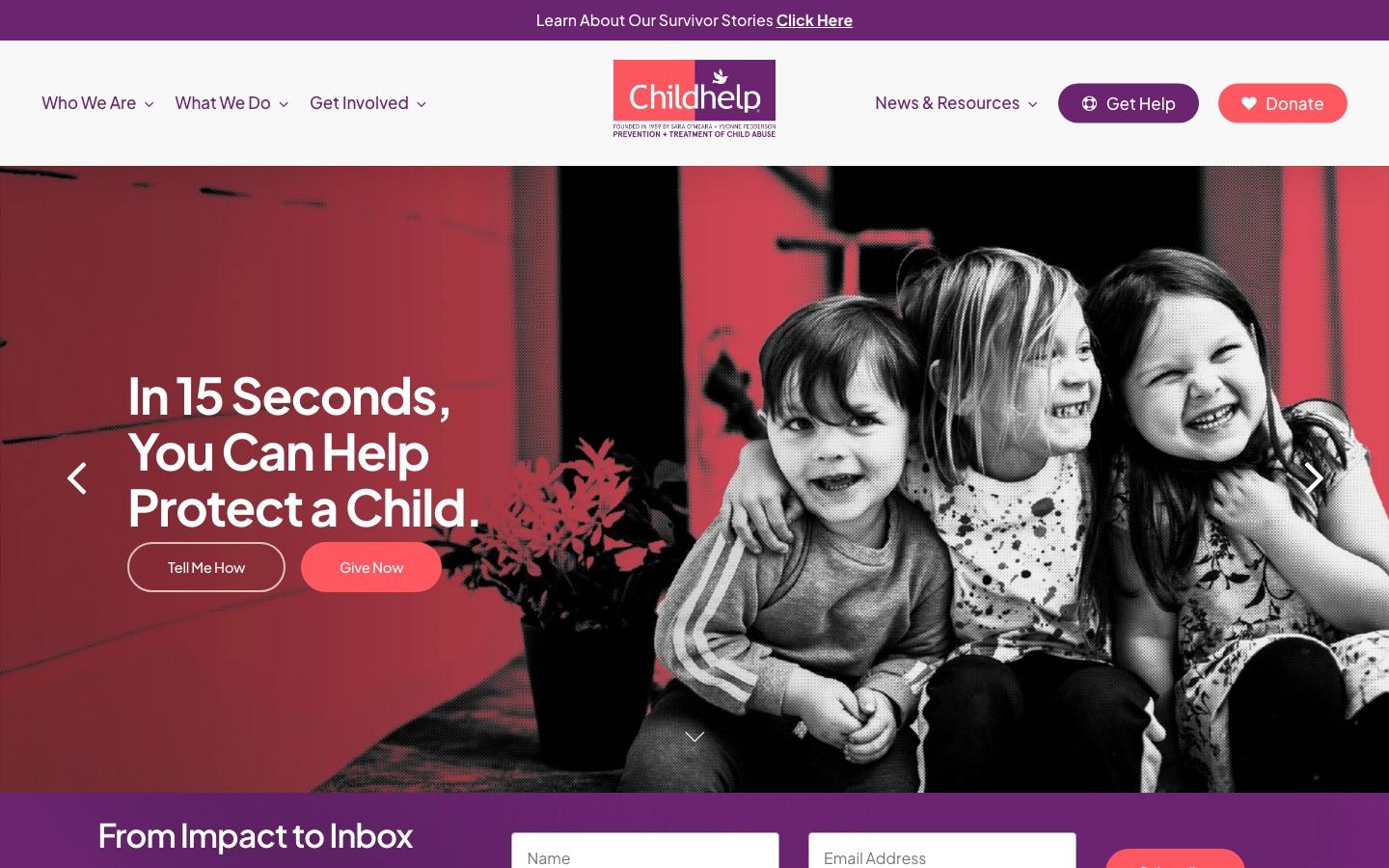
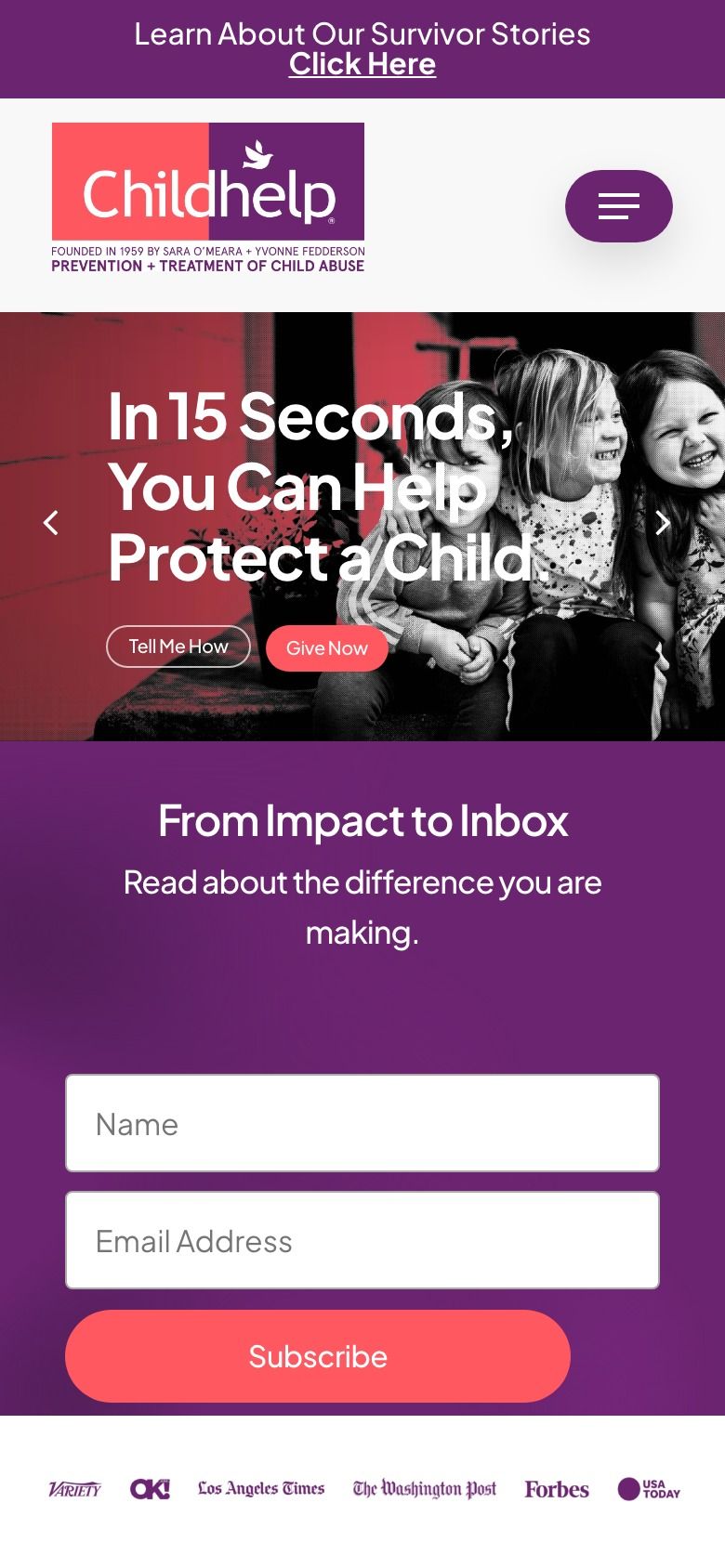
Childhelp
Childhelp is a national nonprofit serving abused and neglected children. Its WordPress site had to work for donors, survivors, families and staff, some using screen readers or a keyboard only, and had to be easy for a small team to update. We built it with accessible structure, contrast and forms from the first template, not as a patch at the end.
Pricing. No dollar figures on a web page can be honest without knowing your scope. After a free 30-minute call you get a fixed scope and price in writing before any work starts.
Questions about ada website accessibility.
How much does ADA website compliance cost?
It depends on the number of templates, how the site was built and how far it is from WCAG 2.2 AA today. After a free 30-minute call and an audit you get a fixed scope and price in writing.
Do accessibility overlay widgets make my site compliant?
No. Overlays sit on top of broken code and cannot fix structure, labels or keyboard access. Businesses using them have still been sued. The fix is in the templates themselves, which is what we do.
Do you certify my site as ADA compliant?
No. There is no official certification, and no honest agency guarantees you will not be sued. We build and test to WCAG 2.2 AA practices and give you a written report that documents the work, which is what matters if a complaint arrives.
How long does remediation take?
An audit of a typical site takes a week or two. Fixes depend on how much the audit finds and whether the theme can be fixed or should be rebuilt. We give you a timeline with the scope.
What happens after the fixes are done?
Accessibility drifts as content gets added. We train your team on alt text, headings and media, and our maintenance plans include periodic retesting so the site stays where we left it.
Related services.
Ready when you are.
Send your URL. We'll tell you what an audit would find.