Shopify Development Agency for Custom Stores
A Shopify development agency writes the code a store needs beyond what a theme offers: custom sections, Liquid templates, metafields, app integrations and checkout extensions. It is for merchants whose store has outgrown theme settings. Brand Overture is a Shopify Partner in Phoenix building and extending Shopify stores for clients across the US.
Your theme settings ran out
Every Shopify store hits the same wall. The theme was fine at launch. Then you needed a size chart that changes by product type, a bundle builder, wholesale pricing for a few accounts, a product page that shows fit or compatibility data, or a cart that offers the right accessory. The theme editor has no toggle for any of it. So you install an app. Then another. Now the store is slow, the apps fight each other and the monthly bills add up.
At some point you need someone who can write the code instead of configuring around it.
How we develop on Shopify
We start by reading your theme. Most stores carry years of leftover code from past developers and apps that were uninstalled but never cleaned out. Clearing that out is often the first win.
Then we build what you need in Liquid, JavaScript and Shopify’s metafields and metaobjects, working in a copy of your theme so the live store never changes until you approve it. Custom sections stay editable in the theme editor, so your team keeps control after we leave. Where an app is the right tool, we use it and integrate it cleanly. Where it is not, we build the feature directly and you stop paying a subscription for it.
Every change is tested on real phones and checked in Google PageSpeed before launch. We document what we built so the next person, whether that is us or someone else, can understand it.
What the store does afterward
Your product pages show exactly what each product needs to sell. Your team edits content without a developer. The store is lighter because the apps that only existed to patch a theme gap are gone. New features land in weeks, not quarters, and you know what they cost before work starts.
One developer, Terrence, handles the project from the first call to launch. Book the free 30-minute call and bring the feature list your theme cannot do. We will tell you how to build it.
What Google measures. What we build to.
Core Web Vitals are Google's own speed and stability scores. Every site we launch is checked against them first.
LCP Largest Contentful Paint
How long until the main content is on screen.
- Good
- under 2.5s
- Needs work
- to 4s
- Poor
- over 4s
INP Interaction to Next Paint
How fast the page reacts when someone taps or clicks.
- Good
- under 200ms
- Needs work
- to 500ms
- Poor
- over 500ms
CLS Cumulative Layout Shift
How much the page jumps around while loading.
- Good
- under 0.1
- Needs work
- to 0.25
- Poor
- over 0.25
Thresholds published by Google for web.dev. Our standard is the target every launch is held to before it goes live.
What's included
Everything in scope. Nothing vague.
Your written scope lists each item, so you know what you are paying for before work starts.
- Custom Liquid sections and templates built for Online Store 2.0
- Metafields and metaobjects for product data your theme cannot hold
- App integrations: reviews, subscriptions, loyalty, shipping, ERP
- Cart and checkout customization within what your plan allows
- Theme performance work so new features do not slow the store
- Cleanup of code left behind by previous developers and uninstalled apps
- Documentation and training for your team
How it works
The plan, step by step.
One person, Terrence, runs your project from the first call to launch.
Free call
Thirty minutes on what the store cannot do today and why it matters to sales. You leave with a plan either way.
Fixed scope
You get a written scope and price. Nothing starts until you approve it.
Build in a copy
All work happens in a duplicate of your theme. The live store keeps selling and nothing changes until you have seen it.
Test and launch
Every feature is tested on real phones and checked in Google PageSpeed. We publish, watch the first orders and fix anything that moves.
Hand over
You get documentation of what was built and a walkthrough so your team can use the new sections without us.
Proof from real work.
Real clients, real builds. No invented numbers.
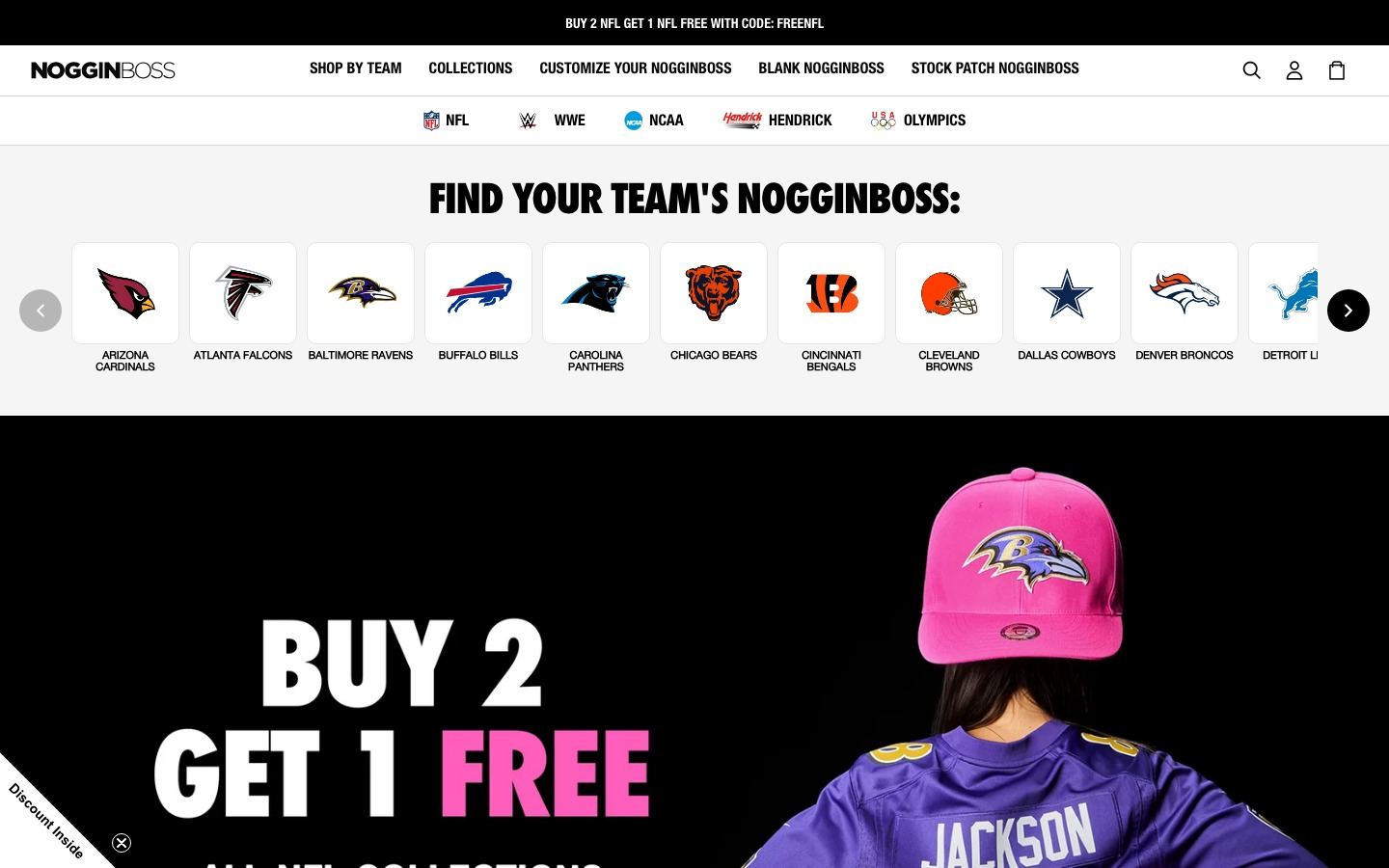
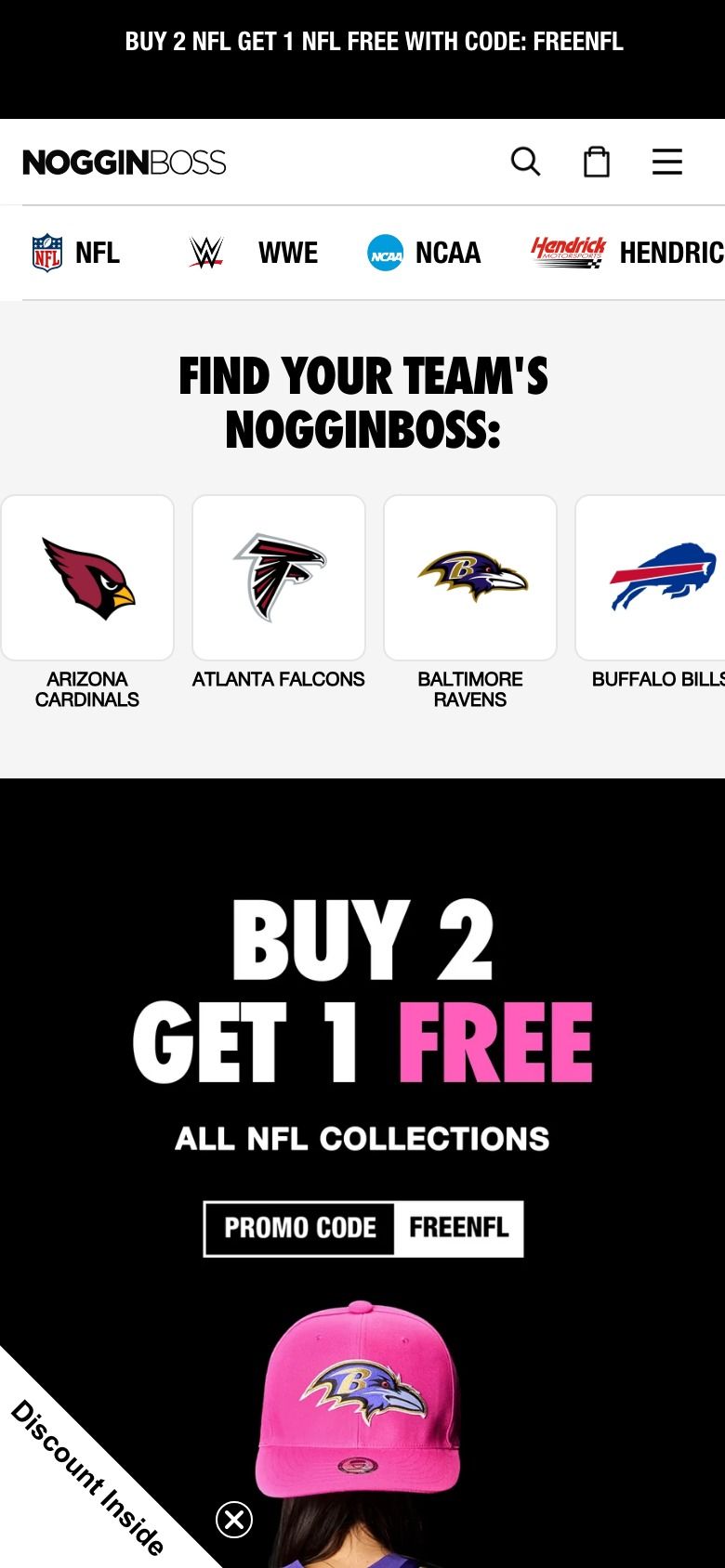
Noggin Boss
Noggin Boss sells oversized licensed team headwear across hundreds of teams and leagues. The store had to handle licensed collections for the NFL, NCAA and WWE, get a fan to their team in one tap, and run promotions without a developer. We built the theme and the collection logic on Shopify so the team runs it themselves.
Pricing. No dollar figures on a web page can be honest without knowing your scope. After a free 30-minute call you get a fixed scope and price in writing before any work starts.


Questions about shopify development.
How much does Shopify development cost?
It depends on what you need built and the state of your current theme. After a free 30-minute call you get a fixed scope and price in writing before any work starts. Small jobs are scoped the same way as full builds.
Do you build custom Shopify apps?
When an existing app does the job well, we use it and integrate it cleanly. When nothing fits, we build the feature directly with Liquid, metafields and Shopify's APIs and extensions. We tell you which path makes sense on the call.
Can you work on my existing theme?
Yes. Most of our Shopify work is on stores that are already live. We read the theme first, flag anything risky, and build in a copy so your store never changes until you approve it.
Will my store break when Shopify updates?
Custom work built on Online Store 2.0 sections, metafields and supported APIs survives theme and platform updates. We avoid hacks that depend on undocumented behavior, and we document everything so future changes are safe.
Who owns the code?
You do. Everything lives in your Shopify store and your accounts. If you ever move on, the theme, the documentation and the data stay with you.
Related services.
Ready when you are.
Bring the list of things your theme cannot do. We'll tell you how to build it.